



Hidden Costs of Buying a Home in Victoria
When most people plan to buy a home, they focus on one major figure: the purchase price. However, the true cost of buying property in Victoria is significantly higher than the advertised price. Beyond your first home deposit, there are several additional expenses that can add tens of thousands of dollars to your total budget.
These hidden costs of buying a home often surprise first home buyers, especially those who are primarily focused on saving for a deposit. Understanding these costs early can help you budget more accurately, avoid financial stress at settlement, and make more informed decisions when purchasing property.
This guide breaks down the major hidden costs involved in buying a home in Victoria, including conveyancing, stamp duty, moving costs, loan fees, council rates, and insurance.
Conveyancing Costs
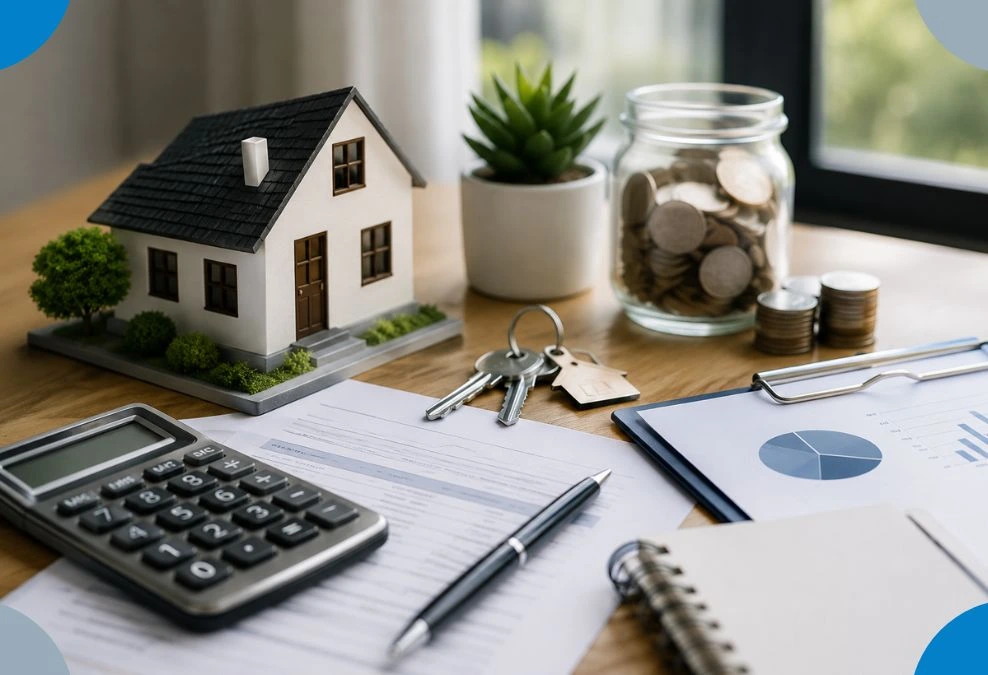
Conveyancing refers to the legal process of transferring ownership of a property from the seller to the buyer. In Victoria, you will need either a licensed conveyancer or a property solicitor to manage this process on your behalf.
They handle important legal tasks such as:
- Reviewing the contract of sale
- Conducting property title searches
- Checking zoning and planning restrictions
- Preparing legal documents for settlement
- Liaising with banks and real estate agents
How Much Does Conveyancing Cost?
In Victoria, conveyancing fees typically range from:
$1,000 to $3,000
The final cost depends on:
- Complexity of the transaction
- Whether the property is standard or has legal complications
- Whether additional searches are required
- The professional you choose (conveyancer vs solicitor)
Although conveyancing may seem like a minor cost compared to your first home deposit, it is essential for ensuring your legal rights are protected during the purchase.
Stamp Dutyin Victoria
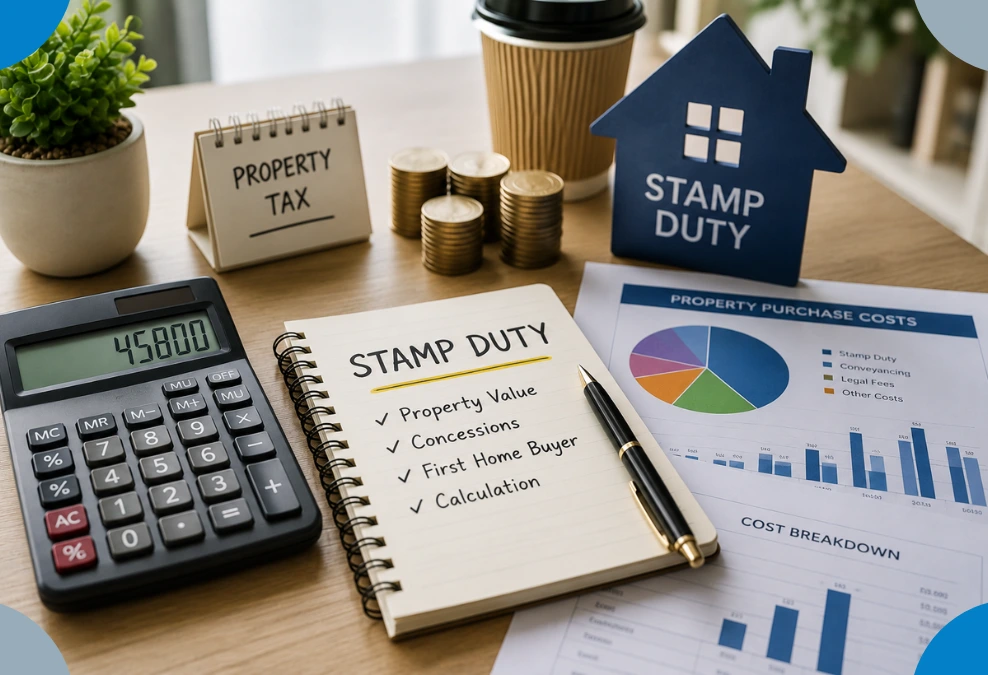
Stamp duty (also known as land transfer duty) is one of the largest upfront costs when buying property in Victoria. It is a government tax based on the property’s purchase price and your eligibility for concessions.
For first home buyers, Victoria offers concessions and, in some cases, full exemptions depending on the property value and whether it is your principal place of residence.
Stamp Duty Examples in Victoria
Example 1: First Home Buyer – $600,000 Property
If you are eligible for the Victorian First Home Buyer Duty Exemption or Concession and the property is your principal place of residence, you may pay:
$0 stamp duty
This is a significant saving and can reduce the total upfront cost of buying a home by tens of thousands of dollars.
Example 2: First Home Buyer – $700,000 Property
For a $700,000 property, eligible buyers may receive a partial concession, meaning stamp duty is reduced compared to the full rate. However, the exact amount depends on current thresholds and eligibility rules.
This could still result in savings of thousands of dollars, making home ownership more accessible.
Example 3: Non-Eligible Buyer – $700,000 Property
If you are not eligible for first home buyer concessions, stamp duty on a $700,000 property in Victoria can exceed:
$40,000
This is one of the most significant hidden costs and must be factored into your total budget early.
Moving Costs
Moving into a new home involves more than just transporting furniture. These costs are often underestimated but can add up quickly.
What Are Moving Costs?
Moving expenses may include:
- Professional removalists
- Truck or van hire
- Packing materials (boxes, tape, protective wraps)
- Utility connection fees (electricity, gas, internet)
- Cleaning services (end of lease or pre-move cleaning)
- Storage costs (if there is a gap between properties)
How Much Do Moving Costs Typically Cost?
In Victoria, moving costs generally range from:
$800 to $3,000+
The cost depends on:
- Size of your home
- Distance of the move
- Amount of furniture and belongings
- Whether you hire professionals or DIY
For first home buyers, moving costs are often overlooked but should be included alongside your first home deposit savings plan.
Home Loan Fees

In addition to your deposit and property costs, lenders may charge various fees when setting up your mortgage.
Common Loan Fees Include:
- Application or establishment fees
- Valuation fees (property assessment)
- Settlement fees
- Ongoing account fees
- Discharge fees (when paying off or refinancing)
How Much Do Loan Fees Cost?
Depending on the lender, upfront loan fees can range from:
$0 to $1,000+
Some lenders offer fee-free home loans to attract first home buyers, while others include bundled features that may come with annual charges.
Even if upfront fees are low, it’s important to consider long-term costs such as ongoing account fees or package fees over the life of the loan.
Council Rates
Once you purchase a property, you become responsible for ongoing local government charges known as council rates.
These funds are used to maintain public infrastructure and services such as:
- Road maintenance
- Waste collection
- Parks and recreation facilities
- Local community services
How Much Are Council Rates in Victoria?
Council rates vary depending on:
- Property value
- Location (municipality)
- Property type (house vs apartment)
- Local council budget requirements
On average, Victorian homeowners may pay:
$800 to $2,500 per year
This is an ongoing cost that must be factored into your monthly and annual household budget after settlement.
Home and Contents Insurance
Insurance is another essential cost that many first home buyers overlook.
Lenders typically require building insurance before settlement to protect the property against risks such as fire, flood, or storm damage.
Types of Insurance
Building Insurance
Covers the physical structure of the home, including walls, roof, and fixtures.
Contents Insurance
Covers personal belongings inside the home such as furniture, electronics, and clothing.
How Much Does Insurance Cost?
In Victoria, insurance costs vary depending on:
- Property size and value
- Location risk factors (flood/fire zones)
- Level of coverage
- Excess amount chosen
Typical annual costs:
- Building insurance: $800 to $2,000
- Contents insurance: $200 to $800
Combined insurance can therefore range from $1,000 to $2,800+ per year.
Total Hidden Costs Example (Victoria Property)
To understand how these costs add up, here is a realistic example for a first home buyer purchasing in Victoria.
Example: $700,000 Property
| Cost Type | Estimated Cost |
| Conveyancing | $1,500 – $3,000 |
| Stamp Duty | $0 – $40,000+ (depending on eligibility) |
| Moving Costs | $1,000 – $3,000 |
| Loan Fees | $0 – $1,000 |
| Council Rates (annual) | $1,200 – $2,000 |
| Insurance (annual) | $1,000 – $2,500 |
Key Insight
Even if stamp duty is waived for eligible first home buyers, upfront costs can still exceed $5,000–$10,000 beyond your deposit.
If stamp duty applies in full, total upfront costs can increase dramatically.
Why Hidden Costs Matter for First Home Buyers
Many buyers focus solely on saving a first home deposit but lenders and settlement processes require additional funds upfront.
Failing to account for hidden costs can result in:
- Delayed settlement
- Financial stress at purchase time
- Reduced emergency savings after buying
- Difficulty covering essential services post-purchase
Planning ahead ensures you are financially prepared for both purchase and ownership.
Tips to Manage Hidden Costs
-
Budget Beyond Your Deposit
Always include at least 5–10% extra savings beyond your deposit target for fees and expenses.
-
Compare Lenders
Some lenders offer:
- No application fees
- Cashback incentives
- Free valuation services
Comparing home loans can reduce upfront costs.
-
CheckStamp DutyEligibility Early
Victorian first home buyer concessions can significantly reduce costs, but eligibility depends on income, property value, and residency requirements.
-
Get Insurance Quotes Early
Comparing insurance providers can help reduce annual premiums and ensure adequate coverage.
-
Plan Moving Costs in Advance
Booking removalists early or moving during off-peak times can reduce expenses.
Conclusion
Buying a home in Victoria involves more than just saving a first home deposit. While the deposit is the largest upfront expense, hidden costs such as conveyancing, stamp duty, moving costs, loan fees, council rates, and insurance can significantly impact your total budget.
Understanding these costs early allows you to plan more effectively, avoid financial surprises, and enter the property market with confidence.
Whether you’re a first home buyer or upgrading your property, taking a full-cost approach ensures you’re financially prepared not just for purchase but for long-term home ownership in Victoria.