





Best Affordable Melbourne Suburbs for First Home Buyers (2026)
Buying your first home in Melbourne has become increasingly challenging, with rising property prices making it difficult for many buyers to enter the market. Fortunately, there are still suburbs across Melbourne’s growth corridors and nearby regional centres that offer a balance of affordability, lifestyle and long-term growth potential.
Whether you’re looking for a family home, townhouse or investment in your future, choosing the right suburb is just as important as choosing the right property.
This guide highlights some of the best affordable Melbourne suburbs for first-home buyers in 2026, based on affordability, infrastructure investment, transport links, amenities and market trends. The analysis is informed by leading Australian property data sources, including Cotality Australia (formerly CoreLogic), RP Data, and broader residential real estate market research.
Buying your first home? Start with our pillar guide, The Complete Guide to Buying Your First Home in Victoria, for everything you need to know about finance, grants, inspections and settlement.
What Makes a Suburb Ideal for First-Home Buyers?
Affordability is only one factor when choosing where to buy.
The best suburbs typically offer:
- Competitive median house and unit prices
- Strong transport connections
- Employment opportunities
- Schools and childcare
- Shopping centres and healthcare
- Planned infrastructure projects
- Population growth
- Long-term capital growth potential
Many of Melbourne’s outer-growth suburbs continue to attract first-home buyers because they combine relatively affordable housing with ongoing investment in roads, rail and community facilities.
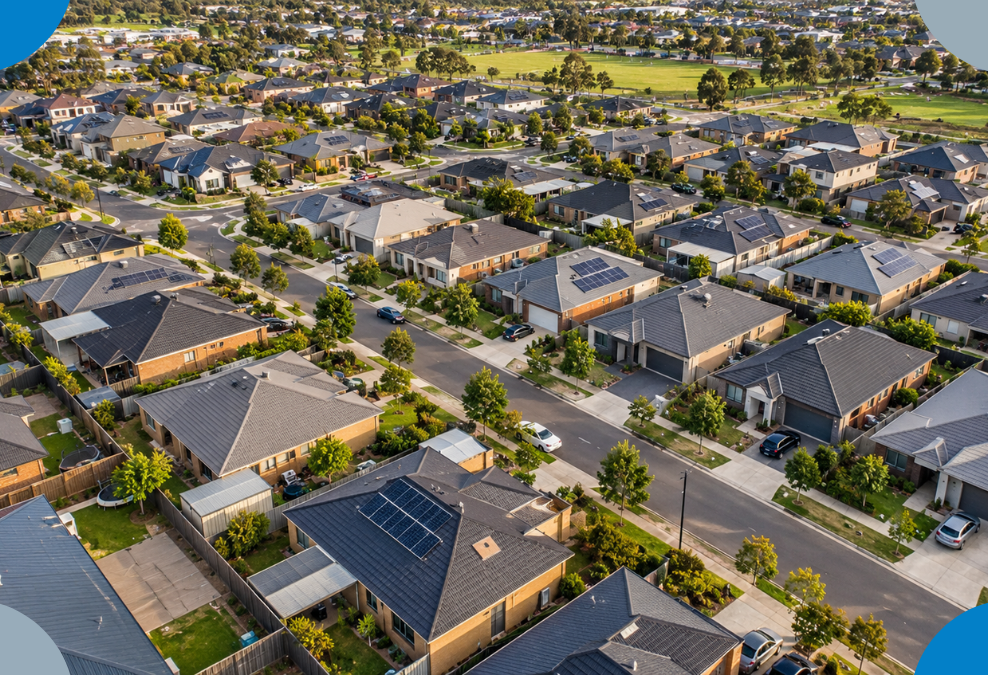 1. Werribee – Affordable Living with Excellent Connectivity
Located approximately 32 kilometres south-west of Melbourne’s CBD, Werribee remains one of Victoria’s most popular suburbs for first-home buyers.
Why buyers choose Werribee
- More affordable than many middle-ring suburbs
- Direct train services to Melbourne
- Easy access to the Princes Freeway
- Established schools and shopping precincts
- Growing employment opportunities
Werribee also benefits from major health, education and retail infrastructure, making it attractive for both owner-occupiers and investors.
Best suited for:
- Young families
- First-home buyers wanting a detached home
- Commuters
2. Melton – One of Melbourne’s Most Affordable Growth Areas
Melton continues to offer some of the most accessible entry prices in Greater Melbourne.
Over recent years the suburb has experienced significant residential development alongside improvements to transport, schools and community facilities.
Advantages
- Lower median house prices than many Melbourne suburbs
- Large land sizes
- New housing estates
- Expanding retail and education options
- Improved road infrastructure
For buyers with limited budgets, Melton remains one of the strongest affordability options.
3. Craigieburn – Established Northern Growth Corridor
Craigieburn has transformed into one of Melbourne’s largest residential growth areas.
Its popularity comes from combining affordability with established amenities.
Highlights include:
- Melbourne train line access
- Shopping centres
- Medical facilities
- Parks and recreation
- Schools from primary through secondary
Many first-home buyers appreciate Craigieburn’s balance between affordability and convenience.
4. Tarneit – Fast-Growing Western Suburb
Tarneit has become one of Victoria’s fastest-growing suburbs.
Strong population growth has driven investment in:
- Transport
- Schools
- Community centres
- Retail precincts
- New housing developments
For buyers seeking newer homes with modern designs, Tarneit offers a wide selection of recently built properties.
The suburb’s train station also provides direct access to Melbourne’s CBD.
5. Officer – Growing Lifestyle Destination
Located in Melbourne’s south-east growth corridor, Officer continues attracting first-home buyers looking for newer estates and family-friendly communities.
Why buyers like Officer:
- Modern housing developments
- Excellent schools
- Railway station
- Access to the Princes Freeway
- Nearby shopping centres
Officer combines suburban living with improving transport links, making it increasingly attractive for commuters.
6. Clyde North – Modern Family Living
Clyde North has become one of Melbourne’s largest residential development areas.
The suburb features:
- Contemporary housing estates
- Parks and playgrounds
- New schools
- Expanding shopping facilities
- Growing healthcare services
Many first-home buyers choose Clyde North because they can purchase newer homes without paying inner-city prices.
7. Pakenham – Affordable South-East Option
Pakenham remains one of the most affordable railway-connected suburbs in Melbourne’s outer south-east.
Advantages include:
- Reliable public transport
- Growing employment opportunities
- Family-sized homes
- Major retail centres
- Extensive sporting facilities
Ongoing infrastructure investment continues supporting population growth throughout the area.
8. Cranbourne – Established Community with Strong Demand
Cranbourne offers buyers an established community with excellent everyday amenities.
Features include:
- Multiple schools
- Hospital access
- Shopping centres
- Train station
- Recreational facilities
The suburb appeals to buyers seeking established neighbourhoods rather than entirely new housing estates.
9. Sunbury – Country Lifestyle Close to Melbourne
Sunbury provides something different from many outer-growth suburbs.
Located north-west of Melbourne, it combines:
- Larger residential blocks
- Historic township character
- V/Line and Metro rail access
- Local wineries
- Scenic surroundings
Many buyers appreciate Sunbury’s quieter lifestyle while maintaining access to Melbourne for work.
10. Geelong – Regional City with Strong Appeal
Although technically outside metropolitan Melbourne, Geelong continues attracting first-home buyers priced out of the capital.
Reasons include:
- Diverse employment opportunities
- Waterfront lifestyle
- Universities
- Excellent schools
- Major hospitals
- Rail connections to Melbourne
With substantial government and private investment, Geelong remains one of Victoria’s strongest regional property markets.

House or Townhouse?
In many of these suburbs, buyers have a choice between detached houses and townhouses.
A townhouse may offer:
- Lower purchase price
- Reduced maintenance
- Modern design
- Smaller land size
- Good investment potential
Detached houses typically provide:
- Larger blocks
- More privacy
- Greater renovation potential
- Long-term family flexibility
Your decision should reflect both your budget and future lifestyle needs.
Don’t Focus Only on Purchase Price
The cheapest suburb isn’t always the best value.
When comparing suburbs, consider:
Transport
Can you easily commute to work?
Schools
Will the suburb meet your family’s future education needs?
Infrastructure
Look for planned roads, rail upgrades, hospitals and shopping centres.
Employment
Areas with growing employment opportunities often experience stronger long-term housing demand.
Community
Visit suburbs at different times of day to understand traffic, noise and local amenities.
Government Assistance for First-Home Buyers
Eligible Victorian buyers may benefit from government assistance that helps improve affordability.
Depending on your circumstances, you may qualify for:
- First Home Owner Grant
- Stamp duty concessions or exemptions
- First Home Guarantee Scheme
- Other government initiatives available at the time of purchase
These programs can significantly reduce upfront buying costs.

Tips for Choosing the Right Suburb
Before making an offer:
- Research recent sales in the area.
- Compare median property prices.
- Inspect multiple homes.
- Review future infrastructure plans.
- Calculate commuting times.
- Speak with local real estate agents.
- Understand council rates and ongoing ownership costs.
Taking time to compare suburbs can help you buy with greater confidence.
Final Thoughts
Finding an affordable first home in Victoria is still possible, particularly if you’re open to buying in Melbourne’s established growth corridors or nearby regional centres. Suburbs such as Werribee, Melton, Craigieburn, Tarneit, Officer, Clyde North, Pakenham, Cranbourne, Sunbury and Geelong continue to attract first-home buyers because they combine relatively affordable housing with improving infrastructure, transport and community amenities.
While affordability is important, it’s equally valuable to consider long-term factors such as employment opportunities, planned infrastructure, lifestyle, and future resale potential. Property markets change over time, so use current market data, inspect multiple suburbs and choose a location that supports both your budget and your future goals.
For a complete roadmap—from saving your deposit and securing finance to choosing the right property and navigating settlement—read The Complete Guide to Buying Your First Home in Victoria.
FAQ's
This changes over time as market conditions evolve. Growth areas such as Melton, Werribee, Pakenham and parts of Cranbourne have traditionally offered more affordable entry points than many inner and middle-ring suburbs.
Geelong offers a combination of affordability, employment opportunities and lifestyle benefits. For buyers who don’t need to commute to Melbourne every day, it can be an attractive alternative to metropolitan suburbs.
Outer-growth suburbs often benefit from population growth and infrastructure investment. However, every suburb performs differently, so buyers should research local market conditions before purchasing.
Both options have advantages. New homes may require less maintenance and can qualify for certain government incentives, while established homes may offer larger land sizes and mature neighbourhoods.