





Building & Pest Inspections Explained: A First Home Buyer’s Guide in Australia
Buying your first home is an exciting milestone, but it’s also one of the biggest financial decisions you’ll ever make. While it’s easy to focus on location, price and loan approval, one step should never be overlooked: arranging building and pest inspections.
A property may look perfect during an open inspection, but hidden structural issues, termite damage or costly maintenance problems could turn your dream home into an expensive investment.
This guide explains everything first-home buyers need to know about building and pest inspections in Australia, including what they cover, when to organise them, how much they cost, and why they’re one of the smartest investments you can make before purchasing a property.
Just starting your home-buying journey? Read our The Complete Guide to Buying Your First Home in Australia for a step-by-step overview of buying your first property, from saving your deposit through to settlement.
What Is a Building Inspection?
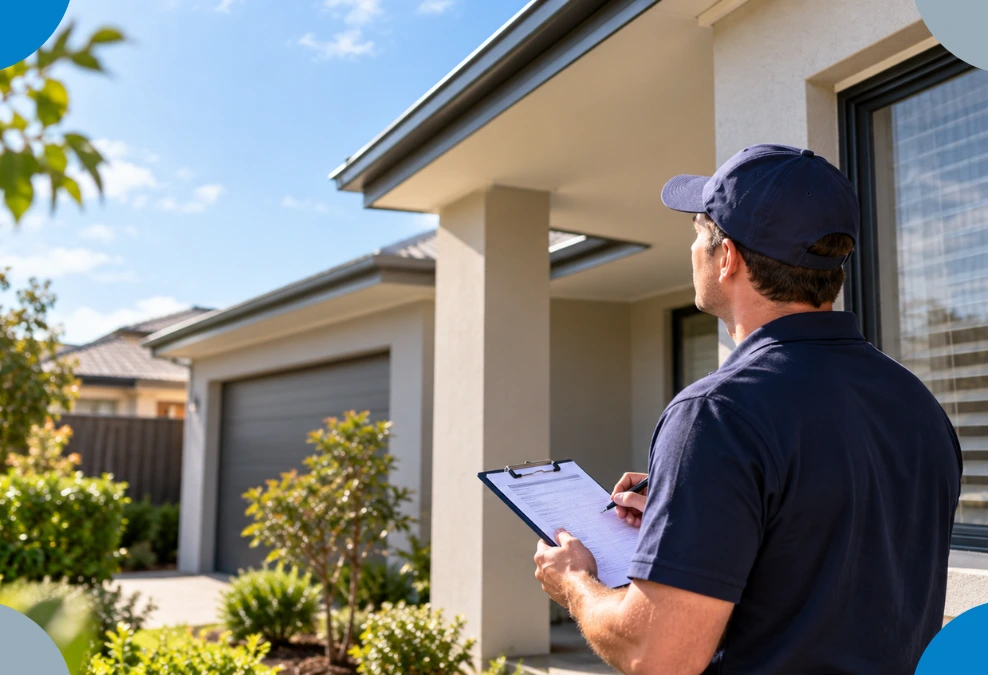 A building inspection is a professional assessment of a property’s overall condition. A qualified building inspector examines accessible areas of the home to identify structural defects, safety concerns and maintenance issues that may not be obvious during a standard property inspection.
The purpose is not to determine whether a property is “good” or “bad.” Instead, it provides an objective report highlighting existing defects, potential risks and future maintenance requirements.
Building inspections are commonly recommended for:
- Houses
- Townhouses
- Units (where applicable)
- Investment properties
- Newly built homes (pre-settlement inspections)
What Is a Pest Inspection?
A pest inspection focuses on identifying timber pests and evidence of infestations that may damage the property.
In Australia, the primary concern is termites, but inspectors also look for:
- Borers
- Wood decay fungi
- Conditions that attract pests
- Previous pest damage
- Areas vulnerable to future infestations
Because termite damage can remain hidden behind walls or beneath floors, professional inspections are often the only reliable way to detect serious issues before purchase.
Why Are Building and Pest Inspections Important?
Many first-home buyers assume that if a property looks well maintained, it must be in good condition. Unfortunately, appearances can be misleading.
Professional inspections can reveal problems such as:
- Structural movement
- Roof leaks
- Rising damp
- Cracked foundations
- Unsafe electrical observations (where visible)
- Plumbing defects
- Water damage
- Timber rot
- Active termite activity
- Previous termite damage
Identifying these issues before signing an unconditional contract can help you avoid unexpected repair bills that may cost thousands—or even tens of thousands—of dollars.
What Does a Building Inspector Check?
A comprehensive building inspection typically includes an assessment of accessible areas, including:
Exterior
- Roof condition
- Gutters and downpipes
- External walls
- Windows
- Doors
- Drainage
- Foundations
Interior
- Walls and ceilings
- Floors
- Doors and windows
- Signs of movement or cracking
- Moisture damage
- Ventilation
Roof Space
Where safe and accessible, inspectors examine:
- Roof framing
- Insulation
- Water leaks
- Structural movement
- Pest activity
Subfloor
If accessible, inspectors may assess:
- Stumps
- Joists
- Ventilation
- Moisture
- Timber condition
- Termite evidence
Inspection reports generally include photographs, descriptions of defects and recommendations for further investigation if required.
What Does a Pest Inspector Look For?
Pest inspections are designed to identify both current infestations and conditions that increase future pest risk.
Common inspection areas include:
- Timber framing
- Roof voids
- Subfloors
- Decking
- Fences
- Garden structures
- Retaining walls
- Trees close to the home
Inspectors also look for:
- Mud tunnels
- Hollow timber
- Timber damage
- Moisture issues
- Poor drainage
- Tree roots touching structures
Even if termites are not currently present, inspectors may identify environmental conditions that make future infestations more likely.
 Common Problems Found During Inspections
Some of the most frequently reported issues include:
Structural Cracking
Not all cracks indicate serious structural problems, but significant movement may require further assessment by a structural engineer.
Roof Problems
Inspectors often identify:
- Broken roof tiles
- Rusted roofing
- Leaking flashings
- Damaged gutters
Moisture Damage
Water intrusion can lead to mould, timber decay and long-term structural deterioration.
Poor Drainage
Inadequate drainage may contribute to foundation movement or moisture problems beneath the home.
Termite Damage
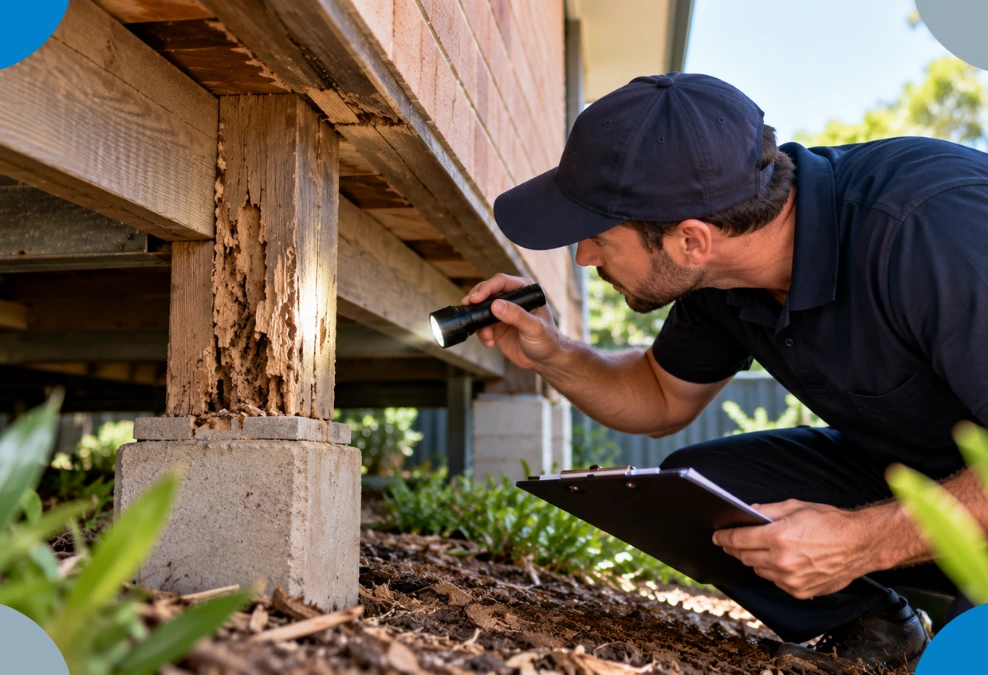
Termites can cause extensive structural damage before any visible signs appear inside the property.
Finding termite damage doesn’t always mean you should walk away—but it does mean you should fully understand the extent of repairs required before proceeding.
When Should You Arrange Building and Pest Inspections?
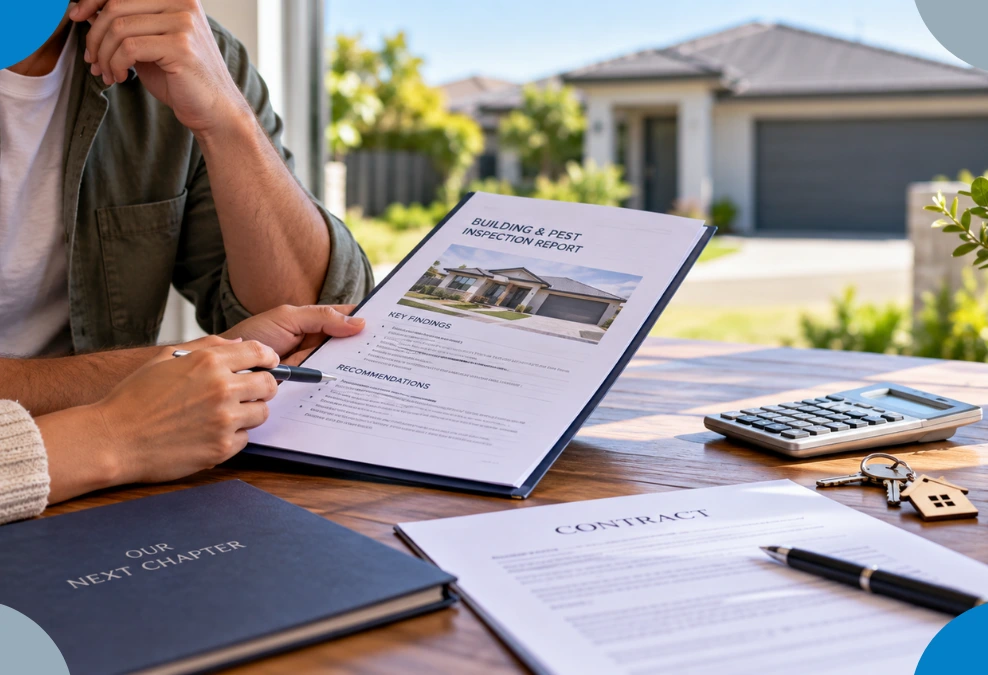 The ideal timing depends on how you’re buying the property.
Private Sale
Many buyers include a building and pest inspection clause in the contract. This allows inspections to be completed before the sale becomes unconditional.
If significant defects are found, you may be able to:
- Negotiate a lower purchase price
- Request repairs
- Withdraw from the contract if permitted under the agreed conditions
Auction
Buying at auction is different.
Because auction purchases are generally unconditional, inspections should be completed before auction day. It is also important to have home loan pre-approval before bidding.
Once you successfully bid, you usually cannot withdraw because of defects discovered afterwards.
How Much Do Building and Pest Inspections Cost?
Costs vary depending on:
- Property size
- Location
- Property type
- Inspector experience
- Whether inspections are combined
Many buyers choose a combined building and pest inspection package, which can be more cost-effective than arranging separate inspections.
Although inspections add to your upfront buying costs, they are relatively inexpensive compared with the potential cost of major repairs. You should also factor in stamp duty when calculating your total upfront costs.
What Happens If the Report Finds Problems?
Receiving a report with defects doesn’t necessarily mean you should abandon the purchase.
Instead, use the information to make an informed decision.
Depending on the findings, you may choose to:
- Continue with the purchase
- Negotiate a lower price
- Request repairs before settlement
- Seek specialist advice
- Withdraw from the purchase (if contract conditions allow)
The inspection report provides valuable information that can strengthen your negotiating position.
Can a Building Inspection Find Everything?
Building inspections are visual assessments of accessible areas only.
Inspectors generally cannot examine:
- Inside walls
- Underground pipes
- Hidden structural elements
- Furniture-covered areas
- Inaccessible roof spaces
For this reason, inspection reports often recommend additional specialist assessments if potential concerns are identified.
Tips for First Home Buyers
To get the most value from your inspection:
- Choose a qualified, experienced inspector.
- Arrange both building and pest inspections whenever possible.
- Read the full report rather than relying only on the summary.
- Ask questions if any findings are unclear.
- Share the report with your conveyancer and lender if necessary.
- Budget for future maintenance, even if the home is generally in good condition.
Remember that almost every property especially older homes will have some defects. The key is understanding which issues are minor maintenance items and which could significantly affect the property’s value or safety.
Final Thoughts
A building and pest inspection is one of the most valuable investments you can make when buying your first home. For a relatively small upfront cost, it provides greater confidence in your purchase, helps uncover hidden defects and may even strengthen your negotiating position.
Whether you’re buying a house, townhouse or apartment, understanding the property’s condition before committing can help you avoid expensive surprises after settlement. Taking the time to arrange professional inspections is an important part of making an informed and confident purchasing decision.
For a complete roadmap covering every stage of the buying journey including saving your deposit, choosing a home loan, making an offer and settling on your first property read The Complete Guide to Buying Your First Home in Australia.
FAQ's
No. In most Australian property transactions, they’re not legally required. However, they are strongly recommended because they help buyers identify potential issues before committing to a purchase.
Many buyers choose a combined inspection package, although separate specialists may be appropriate for complex properties or where significant concerns already exist.
If you’re buying through a private sale and your contract includes appropriate conditions, you may be able to negotiate the price or request repairs based on the inspection findings.
Yes. Even newly constructed homes can have defects. Many buyers arrange independent inspections before settlement to identify incomplete or defective work.
No inspection can guarantee a property is completely free from termites. Instead, inspectors assess accessible areas for evidence of current activity, past damage and conditions that increase the risk of infestation.