



How Much Deposit Do You Need to Buy Your First Home in Australia?
Buying your first property is one of life’s biggest financial milestones. For many Australians, however, the biggest hurdle isn’t qualifying for a home loan it’s saving the deposit.
One of the most common questions from aspiring homeowners is, “How much deposit do I actually need to buy my first home?” While you’ve probably heard that a 20% deposit is the gold standard, today’s lending market offers more flexibility. Many lenders now provide a 5% deposit home loan for eligible borrowers, allowing buyers to enter the property market sooner.
However, the size of your first home deposit affects much more than simply getting approved for a mortgage. It influences your Loan-to-Value Ratio (LVR), whether you’ll need to pay Lenders Mortgage Insurance (LMI), your monthly repayments, and the total interest you’ll pay over the life of your loan.
For first home buyers in Victoria, it’s also important to budget for stamp duty and other upfront costs. Depending on the property’s value and whether you’re eligible for concessions, stamp duty can add thousands of dollars to your purchase or, in some cases, be completely waived.
This guide explains everything you need to know about the first home buyer deposit Australia requirements, compares 5%, 10% and 20% deposits, explains LVR and LMI, and includes practical examples using Victorian property prices.
What Is a First Home Deposit?
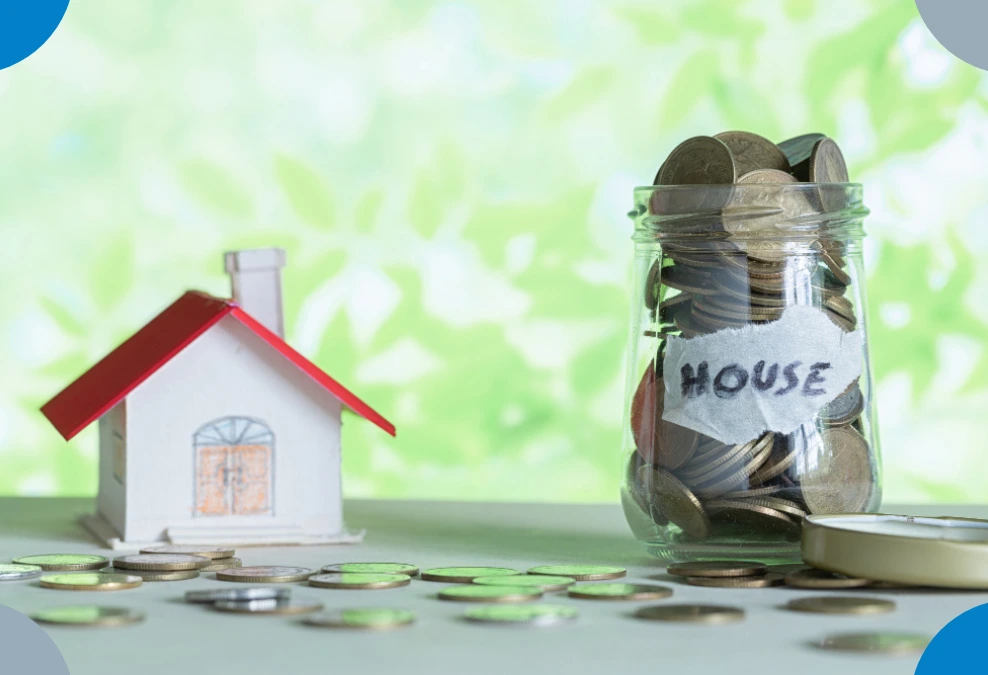
A home deposit is the upfront contribution you make towards the purchase price of a property. The remaining amount is borrowed from your lender through a mortgage.
For example, if you’re buying a home worth $700,000 and you’ve saved a 10% deposit, your contribution would be $70,000, while your lender finances the remaining $630,000.
The larger your deposit, the less you need to borrow. This generally results in:
- Lower monthly mortgage repayments
- Reduced interest over the life of the loan
- Lower Loan-to-Value Ratio (LVR)
- Better access to competitive interest rates
- Reduced likelihood of paying Lenders Mortgage Insurance (LMI)
While saving a larger deposit takes longer, it can significantly reduce the overall cost of buying a home.
How Much Deposit Do You Need?
There is no single deposit requirement that applies to every borrower. The amount you’ll need depends on your lender, your financial circumstances, your income, and whether you’re eligible for government assistance.
Generally, Australian home loans fall into three common deposit categories:
5% Deposit Home Loan
A 5% deposit home loan allows eligible buyers to purchase a property with a relatively small upfront contribution.
Example
Property Price: $700,000
Deposit (5%): $35,000
Loan Amount: $665,000
Buying with a 5% deposit can help you enter the property market sooner, particularly if property prices are rising faster than your savings.
However, there are trade-offs:
- Higher borrowing amount
- Larger monthly repayments
- Higher interest costs over time
- Possible Lenders Mortgage Insurance (unless exempt through an eligible government scheme)
For many first home buyers, a 5% deposit provides an achievable pathway into home ownership.
10% Deposit
Saving a 10% deposit offers a balance between affordability and reduced borrowing costs.
Example
Property Price: $700,000
Deposit (10%): $70,000
Loan Amount: $630,000
Compared to a 5% deposit, you’ll usually:
- Borrow less
- Pay less LMI (if applicable)
- Have lower repayments
- Build equity faster
A 10% deposit is becoming increasingly common among Australian first home buyers.
20% Deposit
Traditionally, lenders have considered a 20% deposit to be the ideal benchmark.
Example
Property Price: $700,000
Deposit (20%): $140,000
Loan Amount: $560,000
Benefits include:
- No Lenders Mortgage Insurance in most cases
- Lower interest costs
- Better loan options
- Greater equity from settlement
- Reduced financial risk
Although saving 20% takes longer, it often results in substantial long-term savings.
Comparing 5%, 10% and 20% Deposits
The following examples illustrate how your deposit changes the amount you need to borrow.
| Property Price | 5% Deposit | 10% Deposit | 20% Deposit |
| $600,000 | $30,000 | $60,000 | $120,000 |
| $700,000 | $35,000 | $70,000 | $140,000 |
| $800,000 | $40,000 | $80,000 | $160,000 |
| $900,000 | $45,000 | $90,000 | $180,000 |
While the deposit increases significantly at higher percentages, so do the savings on interest and mortgage insurance over the life of the loan.
The right deposit depends on your personal financial situation, savings goals, and how quickly you want to purchase a home.
Understanding Loan-to-Value Ratio (LVR)
When applying for a mortgage, lenders assess your Loan-to-Value Ratio (LVR). This measures how much you’re borrowing compared to the property’s value. To better understand how your LVR may affect your borrowing capacity, you can read ours borrowing capacity guide.
The formula is:
LVR = Loan Amount ÷ Property Value × 100
For example:
Example 1
Property Value: $700,000
Deposit: $140,000
Loan: $560,000
LVR = 80%
Example 2
Property Value: $700,000
Deposit: $70,000
Loan: $630,000
LVR = 90%
Example 3
Property Value: $700,000
Deposit: $35,000
Loan: $665,000
LVR = 95%
A lower LVR generally indicates less risk for the lender, which can improve your chances of securing favourable loan terms.
Why LVR Matters
Your Loan-to-Value Ratio affects:
- Whether you’ll pay Lenders Mortgage Insurance
- Available loan products
- Interest rates
- Borrowing capacity
- Loan approval conditions
Most lenders consider an LVR of 80% or below to be lower risk. Once you borrow above this level, additional costs such as LMI may apply.
What Is Lenders Mortgage Insurance (LMI)?
Many first home buyers mistakenly believe Lenders Mortgage Insurance protects them. In reality, it protects the lender if you’re unable to repay your mortgage.
LMI is generally required when your deposit is less than 20% of the property’s value.
For example:
Property Price: $750,000
Deposit: $37,500 (5%)
Loan Amount: $712,500
LVR: 95%
Because the lender is taking on greater risk, LMI may apply.
The exact premium depends on factors including:
- Property value
- Loan amount
- Deposit size
- Lender policies
LMI can cost anywhere from several thousand dollars to more than $20,000 on higher-value properties. Some lenders allow the premium to be added to your loan, although this increases the amount borrowed and the interest paid overtime.
For eligible first home buyers, certain government guarantee programs may reduce or eliminate the need to pay LMI, making a smaller deposit more affordable.
Victoria Stamp Duty Examples
When budgeting for your first home, remember that your deposit isn’t your only upfront expense. In Victoria, stamp duty can significantly affect the total amount you need to save.
The amount payable depends on factors including:
- Purchase price
- Whether the property is your principal place of residence
- Whether you’re eligible for first home buyer concessions
- Current Victorian stamp duty rules
Example 1: $580,000 Home in Victoria
If you’re an eligible first home buyer purchasing a home valued at $580,000 as your principal place of residence, you may qualify for a full stamp duty exemption, meaning you pay $0 in stamp duty.
Example 2: $650,000 Home in Victoria
A first home buyer purchasing a property for $650,000 may be eligible for a partial stamp duty concession. The amount payable is reduced on a sliding scale, lowering your upfront costs compared to the full duty rate.
Example 3: $800,000 Home in Victoria
If you purchase an $800,000 home and are not eligible for concessions, stamp duty can exceed $43,000. This cost is in addition to your deposit and other purchasing expenses, highlighting why it’s essential to budget carefully before making an offer.
Because stamp duty rules and concession thresholds can change, always confirm current rates before purchasing.
Deposit Calculations: How Much Should You Save?
Saving for your first home involves more than reaching a deposit target. You should also budget for legal fees, inspections, moving costs and any applicable stamp duty.
Here are some realistic savings targets based on common Victorian property prices:
| Property Price | 5% Deposit | 10% Deposit | 20% Deposit |
| $650,000 | $32,500 | $65,000 | $130,000 |
| $750,000 | $37,500 | $75,000 | $150,000 |
| $850,000 | $42,500 | $85,000 | $170,000 |
As a practical example, if you’re purchasing a $750,000 home with a 10% deposit, you should aim to save:
- Deposit: $75,000
- Conveyancing and legal costs: $1,500–$3,000
- Building and pest inspection: $500–$800
- Moving expenses: $1,000–$3,000
- Stamp duty: Depending on eligibility, this may range from a concession amount to the full applicable duty.
Having a financial buffer beyond your minimum deposit can make the home-buying process smoother and reduce financial stress after settlement.
Government Assistance for First Home Buyers in Australia
Saving a first home deposit can take years, especially in competitive property markets such as Melbourne and regional Victoria. To help eligible Australians enter the housing market sooner, both the Australian and Victorian governments offer a range of incentives that can reduce your upfront costs.
While eligibility requirements change over time, assistance may include:
- First home buyer grants for eligible new homes
- Government-backed home guarantee schemes that allow eligible buyers to purchase with a 5% deposit home loan without paying Lenders Mortgage Insurance (LMI)
- Stamp duty exemptions or concessions
- Shared equity programs in selected circumstances
These initiatives can significantly reduce the amount you need to save before purchasing your first property.
For example, if you’re buying a newly built home in Victoria and qualify for available grants and stamp duty concessions, your upfront costs may be tens of thousands of dollars lower than someone purchasing without assistance.
Before applying for a home loan, check the latest eligibility criteria for both federal and Victorian first home buyer programs, as income limits, property price caps, and availability may change.
How to Save Your First Home Deposit Faster
Whether your goal is a 5% deposit home loan or the traditional 20% deposit, having a structured savings plan can help you reach your target sooner.
-
Set a Clear Deposit Goal
Instead of saying, “I want to buy a house,” determine exactly how much you’ll need.
For example:
Property Price: $700,000
5% Deposit = $35,000
10% Deposit = $70,000
20% Deposit = $140,000
Knowing your target makes budgeting more effective.
-
Open a Dedicated Savings Account
Keep your home deposit separate from your everyday spending account.
Automatic weekly transfers help build consistency while reducing the temptation to spend your savings.
-
Review Your Monthly Budget
Track your income and expenses carefully.
Many buyers discover they can redirect money from:
- Multiple streaming subscriptions
- Dining out
- Unused gym memberships
- Impulse shopping
- Frequent takeaway meals
Even saving an extra $200 per week adds more than $10,000 over a year.
-
Reduce Existing Debt
Credit cards, personal loans and Buy Now Pay Later services can affect your borrowing capacity.
Paying down high-interest debt not only improves your financial position but also strengthens your mortgage application.
- Increase Your Income
Many first home buyers accelerate their savings by:
- Taking overtime shifts
- Freelancing
- Driving for rideshare services
- Selling unused items
- Starting a side business
Additional income can shorten your savings timeline significantly.
Hidden Costs Many First Home Buyers Forget
One of the biggest mistakes first home buyers make is focusing solely on their first home deposit.
In reality, purchasing a property involves several additional expenses that should be included in your savings plan.
Stamp Duty
Stamp duty is often the largest additional cost after your deposit.
Depending on the purchase price and eligibility for concessions, this could range from $0 to tens of thousands of dollars.
Conveyancing and Legal Fees
A solicitor or conveyancer manages the legal transfer of ownership.
Typical cost:
$1,000–$3,000
Building and Pest Inspections
Professional inspections help identify structural issues before settlement.
Typical cost:
$400–$800
Loan Establishment Fees
Some lenders charge:
- Application fees
- Settlement fees
- Valuation fees
Others offer fee-free home loans, making it worthwhile to compare lenders.
Mortgage Registration and Transfer Fees
These government charges vary by state and should be included in your purchasing budget.
Home and Contents Insurance
Many lenders require building insurance before settlement.
You’ll also want to consider contents insurance to protect your belongings.
Moving Expenses
These can include:
- Removalists
- Utility connections
- Cleaning
- New furniture
- Appliances
Many first home buyers underestimate these costs by several thousand dollars.
Victoria Examples: Total Upfront Costs
Looking beyond the deposit gives you a clearer picture of the funds required to purchase your first home.
- Example 1 – $600,000 Property
Purchase Price: $600,000
5% Deposit:
$30,000
Stamp Duty:
Eligible first home buyers purchasing a principal place of residence may qualify for a full stamp duty exemption at this price.
Additional Costs:
- Conveyancing: approximately $2,000
- Building inspection: approximately $600
- Moving costs: approximately $2,000
Estimated savings required:
Approximately $35,000–$37,000
- Example 2 – $700,000 Property
Purchase Price:
$700,000
10% Deposit:
$70,000
Stamp Duty:
Eligible buyers may receive a partial concession, reducing the amount payable compared with the full rate.
Additional purchasing costs:
Approximately $5,000–$8,000
Recommended savings target:
Approximately $78,000–$85,000
- Example 3 – $850,000 Property
Purchase Price:
$850,000
20% Deposit:
$170,000
Stamp Duty:
Buyers who do not qualify for concessions should budget for a substantial stamp duty liability, in addition to legal fees and moving costs.
Estimated total upfront funds:
Approximately $220,000 or more, depending on applicable government charges and professional fees.
These examples demonstrate why it’s essential to budget beyond your minimum deposit when preparing to buy your first home.
Conclusion
Saving your first home deposit is one of the biggest milestones on the journey to home ownership, but it doesn’t always require a 20% deposit. Today, many eligible Australians purchase their first property using a 5% deposit home loan, particularly when supported by government guarantee schemes or first home buyer incentives.
The right deposit depends on your financial circumstances, income, property goals and long-term plans. While a smaller deposit can help you enter the property market sooner, a larger deposit generally reduces borrowing costs, improves your Loan-to-Value Ratio, and may eliminate the need for Lenders Mortgage Insurance.
If you’re buying in Victoria, remember to budget for more than just the deposit. Stamp duty, legal fees, inspections, insurance and moving expenses all contribute to your upfront costs. Understanding these expenses before making an offer can help you avoid financial surprises and make the buying process smoother.
Whether you’re aiming to buy with a 5%, 10% or 20% deposit, careful planning, disciplined saving and comparing loan options will put you in a stronger position to purchase your first home with confidence.
If you’re ready to buy your first home, speak with an experienced mortgage broker Melbourne team to explore the right loan options for your situation.
FAQ's
Yes. Many lenders offer a 5% deposit home loan for eligible borrowers. Some government-backed guarantee schemes may also allow eligible first home buyers to purchase with a 5% deposit without paying Lenders Mortgage Insurance.
No.
While a 20% deposit remains the traditional benchmark because it generally avoids LMI, many Australians successfully purchase their first home with deposits of 5% or 10%.
The amount varies depending on property prices and location.
For example:
- $600,000 property
- 5% deposit = $30,000
- 10% deposit = $60,000
- $800,000 property
- 5% deposit = $40,000
- 10% deposit = $80,000
Your ideal deposit depends on your financial goals, borrowing capacity and eligibility for government assistance.
Absolutely.
Owning a home involves ongoing costs such as:
- Council rates
- Utilities
- Maintenance
- Insurance
- Emergency repairs
Maintaining an emergency fund can help you manage unexpected expenses without relying on credit.
Generally, yes.
A larger deposit can provide:
- Lower Loan-to-Value Ratio (LVR)
- Better interest rates
- Lower monthly repayments
- Reduced interest over the life of the loan
- Greater equity from the beginning
Yes.
Many lenders accept gifted deposits from immediate family members, provided the funds are genuinely gifted and appropriate documentation is supplied.